Common Entry Points Rodents Use to Access Properties
Local contractors specializing in rodent pest control can identify and seal common entry points rodents use to access properties, helping prevent infestations effectively.
Understanding the common entry points rodents use to access properties is essential for maintaining a pest-free environment. Property owners in the area may find that rodents often exploit small gaps, cracks, and openings around foundations, doors, windows, and utility lines to gain entry. Recognizing these vulnerabilities can help prevent infestations before they start, saving time and effort down the line. Local contractors specializing in rodent pest control are well-versed in identifying and sealing these entry points, providing practical solutions to keep unwanted visitors out of homes and businesses.
Exploring how rodents access properties highlights the importance of regular inspections and effective sealing measures. Even minor gaps or damaged screens can serve as easy entry routes for rodents seeking shelter and food. Engaging experienced service providers ensures that these entry points are properly addressed, reducing the risk of future invasions. By understanding these common access points, property owners can take proactive steps to protect their spaces, with local experts ready to assist in implementing targeted pest control strategies tailored to the specific needs of the area.
- Entry point sealing - homeowners noticing rodent activity may need local contractors to identify and seal gaps and holes that serve as entry points into the property.
- Foundation repairs - properties with cracks or openings in the foundation can become access points for rodents, and local service providers can perform necessary repairs.
- Roof and attic inspections - rodents often enter through damaged or missing roof vents and eaves, with local pros performing thorough inspections and repairs.
- Garage and basement sealing - gaps around garage doors and basement walls can be common entry points that local contractors can secure effectively.
- Venting and utility penetrations - service providers can identify and seal openings around vents, pipes, and utility lines that rodents use to access interior spaces.
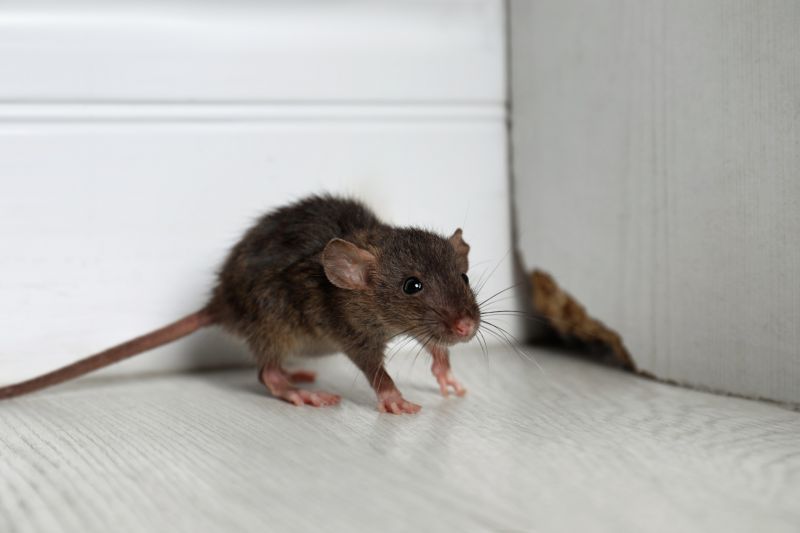
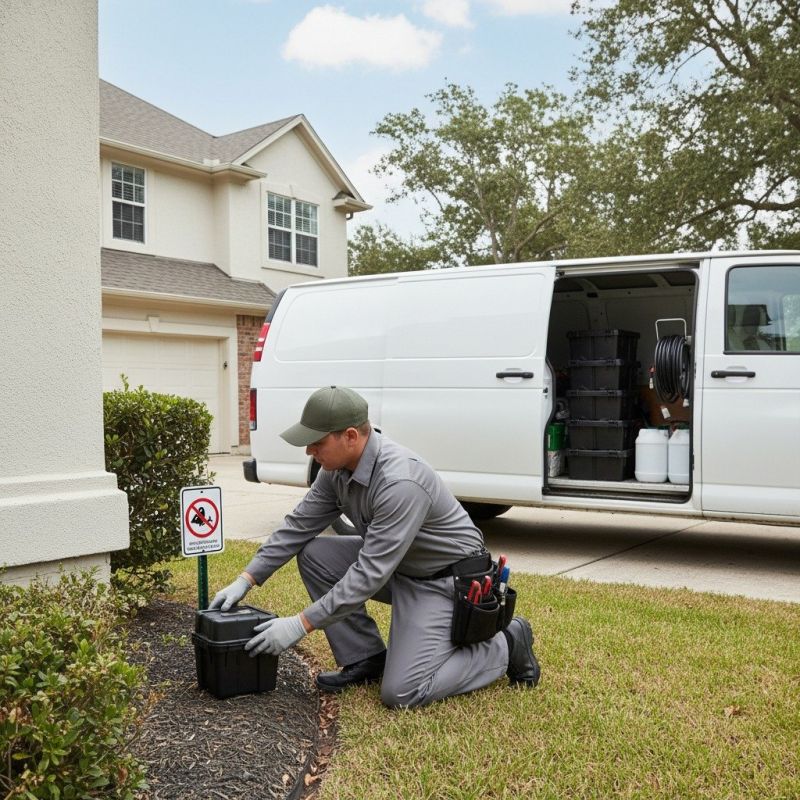
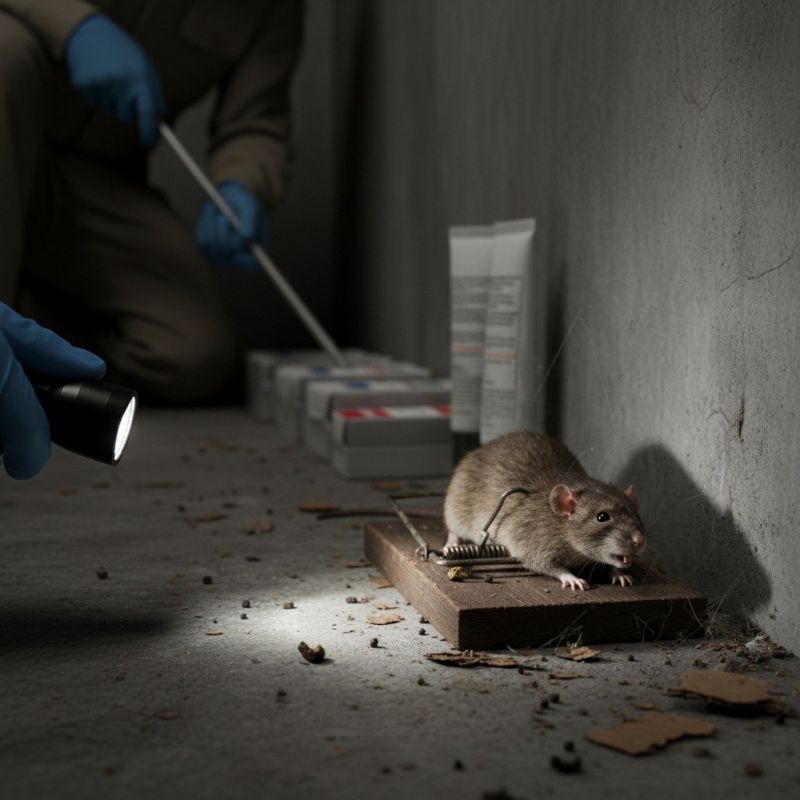
Understanding the common entry points rodents use to access properties is a key step in preventing infestations. When homeowners search this topic, they are usually looking for practical information on how rodents, such as mice and rats, manage to get inside their homes or buildings. These entry points are often small openings or vulnerabilities in the structure that may go unnoticed, but they provide easy access for rodents seeking shelter, food, and warmth. Recognizing these potential access points helps property owners identify weak spots before rodents establish a large presence, making pest control efforts more effective and less invasive.
This topic relates closely to ongoing problems with rodent infestations and the planning of effective exclusion strategies. Many property owners experience issues with rodents invading their spaces, especially during colder months or when food sources are plentiful nearby. Addressing common entry points is a crucial part of a comprehensive pest management plan, which often involves sealing openings and making structural repairs. Local contractors who specialize in rodent pest control can assess properties for these vulnerabilities, recommend appropriate exclusion methods, and help ensure that once rodents are removed, they are less likely to return through these common access routes.
The types of properties most often affected by rodent entry points include residential homes, commercial buildings, warehouses, and even outbuildings like sheds or garages. Homes with gaps around doors, windows, vents, or utility lines are particularly vulnerable. Commercial properties with less maintenance or older structures may also have numerous openings that rodents can exploit. In many cases, properties that are situated near food sources, water, or cluttered outdoor areas tend to attract rodents, making it even more important to identify and seal entry points. Local service providers can evaluate these property types and implement tailored exclusion measures to reduce the risk of future infestations.
For homeowners and property managers, understanding common entry points used by rodents helps connect the dots between structural vulnerabilities and pest problems. It highlights the importance of regular inspections and proactive maintenance as part of pest prevention. Local pros who specialize in rodent exclusion are skilled at locating these entry points, which often include gaps around pipes, vents, foundation cracks, or damaged siding. By working with experienced service providers, property owners can take targeted action to seal these vulnerabilities, making their buildings less accessible to rodents. This approach not only helps eliminate current infestations but also serves as a long-term strategy to keep rodents out of the property altogether.
Home Inspection Projects - Inspecting properties for entry points used by rodents is essential for effective pest prevention, and local contractors often perform detailed assessments to identify vulnerabilities.
Building Maintenance Projects - Maintenance work such as sealing gaps and repairing structural damage helps prevent rodents from accessing properties through common entry points.
Wildlife Exclusion Projects - Exclusion services focus on sealing entry points and creating barriers, directly addressing how rodents gain access to buildings.
Structural Repair Projects - Repairing damaged or deteriorated building components reduces potential entry points that rodents might exploit.
Pest Proofing Projects - Specialized pest proofing involves identifying and sealing entry points, making it harder for rodents to infiltrate properties.
Property Renovation Projects - Renovation work often includes updating building exteriors and sealing potential entry points to improve overall pest resistance.
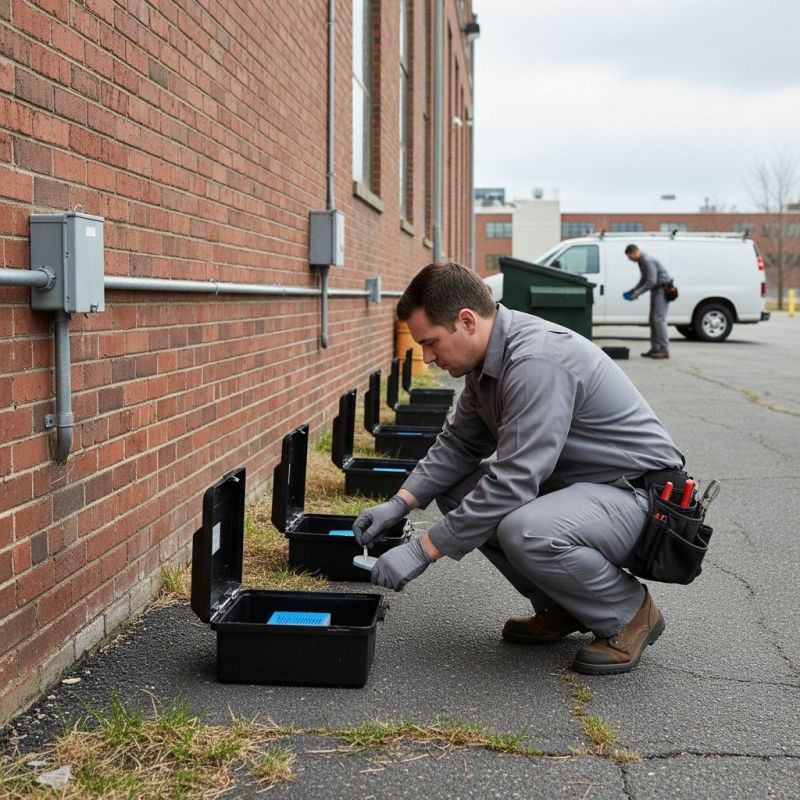
When evaluating service providers for rodent pest control, it is important to consider their experience with similar projects. Homeowners should seek out local contractors who have a proven track record of addressing common entry points rodents use to access properties. An experienced professional will understand the typical vulnerabilities in various types of structures and be familiar with effective methods for sealing these entry points. This knowledge helps ensure that the contractor can develop a comprehensive plan tailored to the specific needs of the property, reducing the likelihood of future infestations.
Clear written expectations are essential when choosing a rodent control service. Homeowners should look for providers who can articulate their approach in straightforward terms, including what areas will be inspected, what measures will be taken to seal entry points, and what follow-up actions might be necessary. Having detailed, written information helps prevent misunderstandings and provides a basis for evaluating the scope of work. It also allows homeowners to compare different service providers more effectively, ensuring that everyone is on the same page regarding the procedures and outcomes.
Reputable references and effective communication are key factors in selecting a reliable contractor. Homeowners are encouraged to ask for references from previous clients who had similar issues with entry points and rodent access. Reliable service providers will be able to share examples of successful projects and demonstrate their ability to communicate clearly and professionally throughout the process. Good communication ensures that homeowners are kept informed about the progress and any concerns that arise, fostering a more transparent and satisfying experience when addressing rodent entry points and pest control needs.
Property owners often search for common entry points rodents use to access properties when they are planning practical projects around their homes and businesses. Local pros provide Rodent Pest Control services for everyday jobs and straightforward project options.
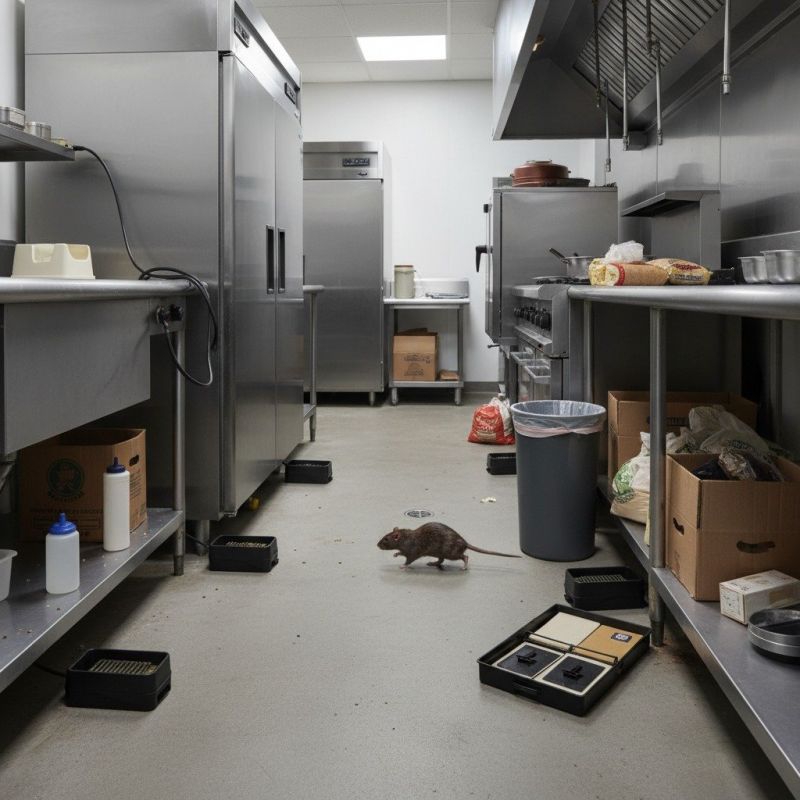
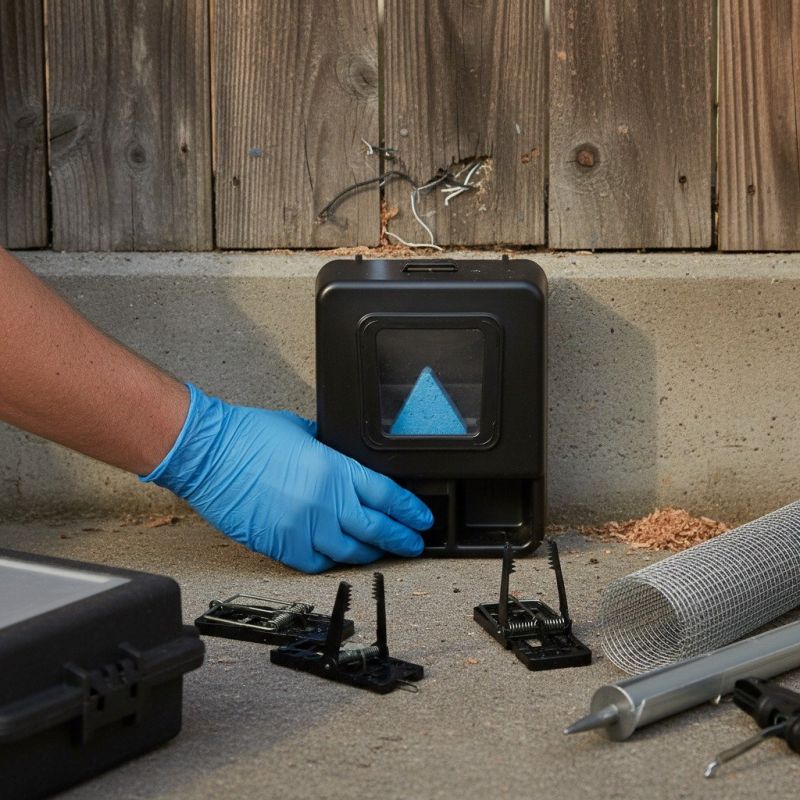
Understanding the common entry points rodents use to access properties is essential for homeowners and property owners in the area. These pests often find their way inside through small gaps around doors, windows, and foundation vents, as well as through openings in the roof or gaps around utility lines. Recognizing these vulnerabilities can help property owners take proactive steps to seal potential access points, reducing the likelihood of rodent infestations. When these entry points are identified, local contractors specializing in rodent pest control can assess the situation and implement targeted solutions to block rodents from entering.
Many property owners seek the expertise of local service providers to address rodent entry points and prevent future invasions. Experienced contractors can perform thorough inspections to locate hidden or overlooked access points, then recommend and carry out effective sealing or repair work. This approach not only helps eliminate current rodent problems but also serves as a preventative measure. Connecting with local pros ensures that the job is handled efficiently and professionally, providing peace of mind for those concerned about rodents gaining access to their homes or businesses.
What are common entry points rodents use to access properties? Rodents often enter buildings through small openings around doors, windows, vents, and utility lines, as well as gaps in the foundation or walls.
How do rodents typically gain entry through vents or chimneys? Rodents can squeeze through damaged or unsealed vents and chimneys, especially if they are not properly protected with mesh or covers.
Can gaps around utility lines and pipes be entry points for rodents? Yes, rodents can access properties through small gaps around utility lines, pipes, and wiring that are not sealed or blocked.
What role do damaged doors and windows play in rodent entry? Damaged or improperly sealed doors and windows create easy access points for rodents to enter indoor spaces.
How can local contractors help prevent rodents from entering through these points? Local pest control service providers can identify and seal common entry points, reducing the chances of rodent intrusion into properties.
Inspect building foundations - property owners can examine and seal cracks or gaps in the foundation to prevent rodents from entering through these common entry points with help from local contractors.
Seal utility entry points - covering gaps around pipes, vents, and utility lines can block access points that rodents often use, with guidance from local pest control specialists.
Check roof and attic vents - ensuring vents are properly screened and sealed can stop rodents from gaining entry through the roof or attic spaces, supported by local service providers.
Maintain doors and windows - installing weather stripping and door sweeps can close off entry points around doors and windows, with the assistance of local contractors experienced in rodent exclusion.
If you are thinking about common entry points rodents use to access properties for a property, this guide is meant to help you understand this topic, the typical project types, and how different options might fit your plans.
When you are ready, you can use the quote form on this page to share a few details about your project. From there, local pros can review the basics and follow up with options that match what you have in mind.