Health Risks Associated With Mice and Rats in Buildings
Local contractors specializing in mice and rat pest control can help reduce health risks associated with mice and rats in buildings by safely eliminating infestations and preventing disease spread.
If property owners in the area are noticing signs of mice or rats, understanding the health risks associated with mice and rats in buildings becomes an important step toward protecting everyone’s well-being. These pests can carry and transmit a variety of illnesses, some of which may pose serious health concerns for residents, employees, or visitors. Recognizing the potential dangers encourages proactive measures to prevent infestations and safeguard indoor environments, making it essential to explore effective pest control solutions available through local service providers.
For those concerned about maintaining a healthy space, connecting with experienced local contractors who specialize in mice and rat pest control offers practical assistance. These professionals can assess property conditions, identify entry points, and implement targeted strategies to eliminate pests and reduce health risks. Exploring options for pest management not only helps address current issues but also supports ongoing protection against future infestations, ensuring the safety and comfort of any building’s occupants.
- Rodent exclusion services - needed when signs of mice or rats are detected in buildings, with local contractors sealing entry points to prevent health risks associated with mice and rats in buildings.
- Sanitation and cleanup services - recommended after rodent infestations to remove droppings and contaminated materials that pose health risks associated with mice and rats in buildings.
- Infestation inspection and assessment - performed when there is concern about rodent presence, helping identify potential health risks associated with mice and rats in buildings.
- Trap and baiting programs - used to control active rodent populations, reducing health risks associated with mice and rats in buildings by minimizing contact and contamination.
- Building sealing and repair services - essential when rodents have entered through gaps or holes, helping mitigate health risks associated with mice and rats in buildings by preventing future access.

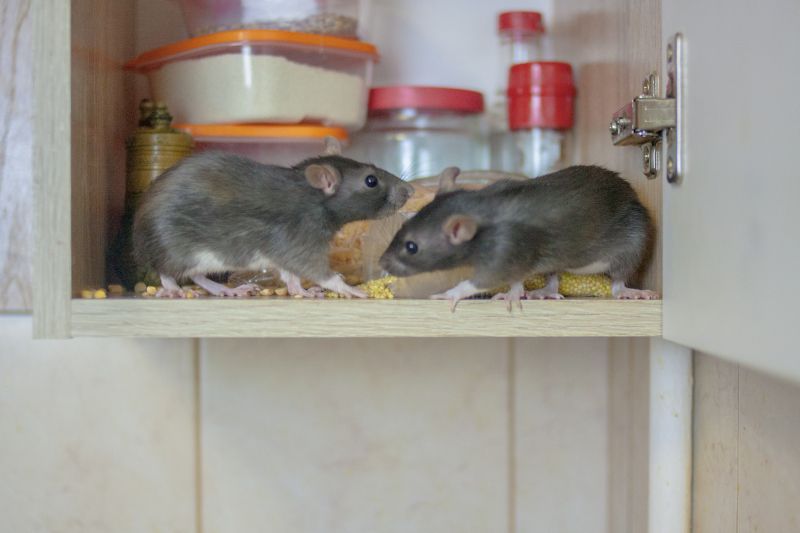

When people search for information about health risks associated with mice and rats in buildings, they are typically concerned about how these rodents can impact their health and safety. Many homeowners want to understand the potential dangers posed by these pests, especially if they suspect an infestation. The focus often revolves around identifying the health issues that can arise from rodent presence, such as disease transmission, contamination, and allergic reactions. This awareness helps property owners recognize the importance of addressing rodent problems promptly to protect their families and occupants.
This topic is closely related to various problems and plans involving pest management and property maintenance. For example, homeowners may be considering pest control measures to eliminate rodents or prevent future invasions. They might also be planning repairs or modifications to seal entry points that rodents use to access buildings. Addressing health risks associated with mice and rats in buildings is a key part of these efforts, as controlling the rodent population reduces the likelihood of disease spread and contamination. Local service providers specializing in pest control can assist in implementing effective strategies to mitigate these health concerns.
The types of properties where health risks associated with mice and rats in buildings are most relevant typically include residential homes, multi-family dwellings, commercial spaces, and warehouses. Homes with accessible food sources, cluttered storage areas, or structural vulnerabilities are particularly susceptible to rodent infestations. Commercial properties, especially food establishments and grocery stores, face heightened risks due to the potential for contamination and regulatory issues. Warehouses and storage facilities that hold supplies or inventory can also become breeding grounds if rodents are not kept in check. Recognizing these property types helps homeowners and business owners understand where the health risks are most significant.
Local pest control service providers play a crucial role in managing health risks associated with mice and rats in buildings. They can assess the property to identify signs of rodent activity, locate entry points, and develop tailored plans to eliminate the pests. These professionals use targeted methods to reduce rodent populations and implement preventative measures to block future access. By working with experienced local contractors, property owners can effectively reduce health hazards linked to rodents, protect their spaces from contamination, and ensure a safer environment for everyone. Connecting with the right service providers is an important step in addressing the health risks associated with mice and rats in buildings.
Pest inspection services involve thorough evaluations of buildings to identify signs of rodent activity, which is essential for understanding health risks associated with mice and rats in buildings.
Structural repair projects focus on sealing entry points and repairing damage caused by rodents, helping to reduce the health hazards linked to rodent infestations.
Sanitation and cleanup services assist in removing droppings, nests, and contaminated materials, minimizing exposure to disease-carrying pathogens associated with mice and rats.
Wildlife exclusion services involve installing barriers and traps to prevent rodents from entering buildings, reducing the health risks posed by ongoing infestations.
Rodent trapping and removal are performed by local contractors to safely eliminate mice and rats, lowering the potential health hazards they carry.
Building maintenance services include pest-proofing and sanitation enhancements that help mitigate health risks related to rodent presence in structures.

When evaluating service providers for mice and rat pest control, it is important to consider their experience with similar projects. Local contractors who have handled cases involving health risks associated with mice and rats in buildings are likely to understand the specific challenges and effective strategies for mitigation. An experienced provider can demonstrate familiarity with common entry points, nesting areas, and signs of infestation, which can contribute to more thorough and reliable pest management. This background helps ensure that the chosen professional is equipped to address the unique aspects of your situation, reducing the potential for ongoing health risks.
Clear written expectations are essential when comparing local pros for pest control services. A reputable contractor should be able to outline the scope of work, including inspection procedures, treatment methods, and follow-up measures, in a transparent manner. Having detailed information in writing helps prevent misunderstandings and provides a basis for assessing whether the service provider’s approach aligns with addressing health risks associated with mice and rats in buildings. This clarity also facilitates informed decision-making and ensures that all parties are aware of responsibilities and anticipated outcomes.
Reputable references and good communication are key factors when selecting a local contractor for pest control. Service providers who can offer references from previous clients with similar concerns demonstrate their ability to deliver effective results. Additionally, clear and responsive communication throughout the process can help address questions about health risks and the steps being taken to mitigate them. Choosing a professional who values transparency and is willing to discuss their methods and experience can contribute to a smoother experience and greater confidence in managing health risks associated with mice and rats in buildings.
Property owners often search for health risks associated with mice and rats in buildings when they are planning practical projects around their homes and businesses. Local pros provide Mice and Rat Pest Control services for everyday jobs and straightforward project options.
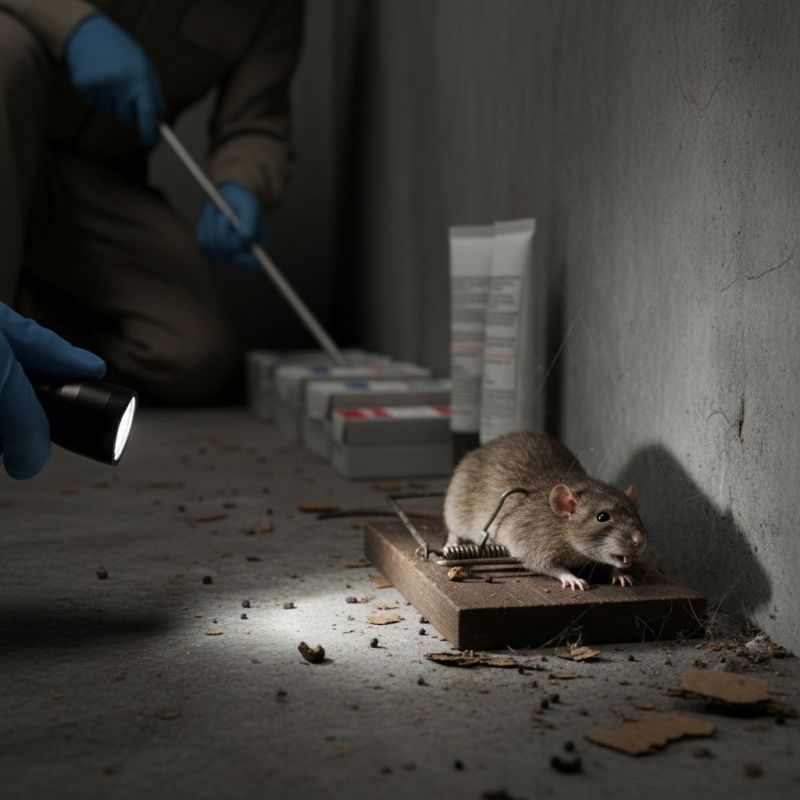
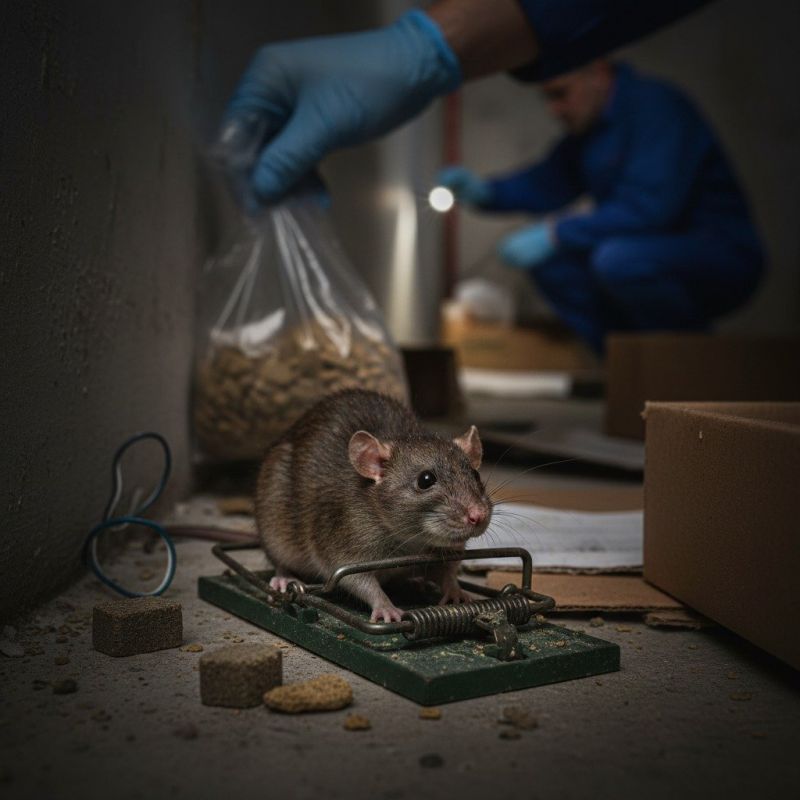
Mice and rats in buildings can pose serious health risks that property owners should be aware of, especially when dealing with common project situations like home repairs, renovations, or even routine inspections. These rodents can carry and transmit diseases such as hantavirus, salmonella, and leptospirosis through their droppings, urine, and bites. Their presence often indicates potential contamination of food supplies and surfaces, which can lead to health issues for residents or workers. Recognizing the signs of an infestation and addressing it promptly with the help of local contractors can reduce the risk of health problems and prevent the spread of harmful pathogens.
For property owners in the area, seeking out pest control services from experienced local contractors is a practical step toward managing these health concerns. Professional pest control providers can identify rodent entry points, eliminate existing populations, and implement strategies to prevent future infestations. This proactive approach helps ensure that buildings remain safe and sanitary environments for occupants, especially during projects that involve cleaning, renovation, or occupancy changes. Connecting with local experts can provide peace of mind and support in maintaining a healthy, rodent-free space.
What health risks are linked to mice and rats in buildings? Mice and rats can carry diseases such as hantavirus, salmonella, and leptospira, which may pose serious health risks to occupants. Local contractors experienced in pest control can help eliminate these rodents and reduce health hazards.
How do mice and rats spread illnesses in indoor environments? These rodents can contaminate surfaces, food, and water sources with their urine, droppings, and saliva, increasing the risk of disease transmission. Pest control service providers can remove infestations to minimize this exposure.
Can mice and rats cause allergic reactions or respiratory issues? Yes, their droppings, shed fur, and nesting materials can trigger allergies and worsen respiratory conditions in sensitive individuals. Local pest control experts can help clear infestations and improve indoor air quality.
Are there specific health concerns associated with rat and mouse droppings? Rat and mouse droppings can harbor pathogens that cause illnesses like hantavirus and salmonella. Professional pest control can safely remove rodents and their droppings to prevent health problems.
How can pest control services help reduce health risks caused by rodents? Local contractors can effectively eliminate rodent populations, seal entry points, and implement integrated pest management strategies to lower the health risks associated with mice and rats in buildings.
Identify entry points - property owners can work with local contractors to locate and seal gaps where mice and rats may enter, reducing health risks associated with mice and rats in buildings.
Implement sanitation measures - keeping areas clean and removing food sources helps prevent rodent infestations, which local pros can assist with through targeted advice.
Set traps and bait stations - professional pest control services can place effective traps to minimize rodent populations and associated health hazards.
Schedule regular inspections - ongoing evaluations by local contractors help detect early signs of rodent activity, addressing health risks before they escalate.
If you are thinking about health risks associated with mice and rats in buildings for a property, this guide is meant to help you understand this topic, the typical project types, and how different options might fit your plans.
When you are ready, you can use the quote form on this page to share a few details about your project. From there, local pros can review the basics and follow up with options that match what you have in mind.